
Changes To Alberta Rules Of Racing Effective May 1


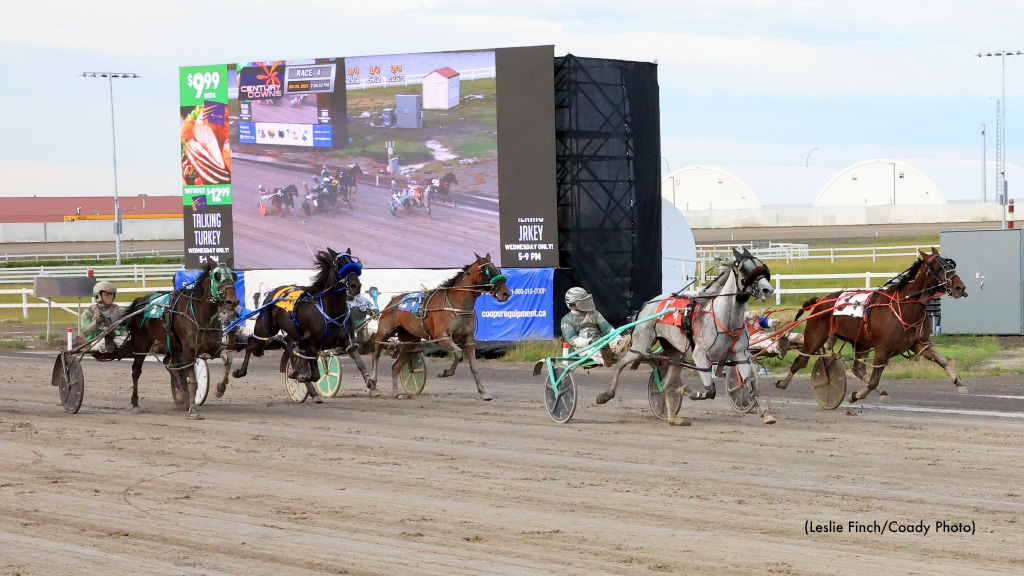
Horse Racing Alberta (HRA) released the 2026 Directive for the Rules Governing Horse Racing in Alberta on Tuesday, April 22.
HRA would like to thank all stakeholders and members of the public who shared feedback and submitted petitions during the review process; the input played an important role in shaping the updates.
The Directives provide notice that changes to the rules will take effect on May 1, 2026. HRA will be hosting information sessions at upcoming Horsemen’s Meetings to explain what has changed and how these updates may affect participants.
HRA encourages everyone involved in horse racing to review the new rules and become familiar with the upcoming changes. HRA stated that these updates help strengthen Alberta’s horse racing system and reflect current industry best practices. They are intended to support a safer, more responsible and sustainable racing environment.
A summary of key changes and possible impacts is provided below. For full details, refer to the official Directive documentation. In the event of any differences, the Directive language should be relied upon over the summary.
If participants have any questions or need more information, contact the Board of Judges or Stewards or reach out to Chuck Ibey, Director, Regulatory and Supervisor of Racing, at [email protected].
1. Directive No. 229-2026
Rule 192 t Minimum weight in major meetings
Directive No. 230-2026
Rule 193 t Weight range in minor meetings
What changed:
- The minimum and maximum weight range for Quarter Horses at minor meetings increased from 124–130 lbs to 126–136 lbs.
What this means for you:
- Aligns Quarter Horse racing with modern safety and rider health standards.
2. Directive No. 231-2026
Rule 157 t Limitations on entries
What changed:
- Horses may start no more than four times in any rolling 56-day (rolling eight-week window) period.
- Horses beaten by more than 12 lengths in three consecutive starts become ineligible to race and will be added to the Official Veterinarian’s List.
What this means for you:
- Improves horse welfare and recovery time.
- Race scheduling may require additional coordination.
- Horses showing declining performance receive added veterinary oversight.
3. Directive No. 232-2026
Rule 36 g Conditions of a veterinarian licence
What changed:
- Prohibits practicing veterinarians who own or train horses from providing treatment to other horses entered in the same race.
- Claiming restrictions following treatment by a practicing veterinarian.
What this means for you:
- Clarifies professional boundaries for practicing veterinarians.
- Protects the integrity of competition.
4. Directive No. 233-2026
Rule 162 g Cancellation of program
What changed:
- If a racing program is cancelled before Lasix is administered, overnight races may be rescheduled within 96 hours; if only part of the program is cancelled, overnight races will not be rescheduled, though stakes or sweepstakes races may be run at a later date.
What this means for you:
- Provides certainty on when races will (or will not) be re-drawn.
- Reduces confusion for owners and trainers after cancellations.
5. Directive No. 234-2026
Rule 287 g Specific violations
What changed:
- Spurs are no longer prohibited if approved and used correctly.
- Clear definition of what constitutes a spur.
What this means for you:
- Exercise riders may use approved spurs under strict conditions.
- Clear enforcement standards for racing officials.
6. Directive No. 235-2026
Rule 209 t Riding Crop and Spurs Requirements
What changed:
- Spurs restricted to exercise riding only (not in races).
What this means for you:
- Riders must ensure equipment meets approval standards and use them in a safe and appropriate manner.
- Violations may result in penalties.
7. Directive No. 236-2026
Rule 286 g Conduct prejudicial to the best interests of horse racing
What changed:
- Expanded definition of conduct detrimental to racing.
- Allows immediate removal from premises, short term penalties for abusive or disruptive behaviour.
What this means for you:
- Stronger expectations for professionalism at racetracks.
- Protects staff, racing officials and racing participants.
- Immediate action is possible to ensure safety and order.
8. Directive No. 237-2026
Rule 112 g First aid and ambulance facilities
What changed:
- Mandatory Basic Life Support ambulance with paramedics.
What this means for you:
- Improved safety for jockeys and drivers.
- Faster emergency response at all tracks.
9. Directive No. 238-2026
Rule 269 g Out of Competition testing program
What changed:
- Expanded authority for out-of-competition testing.
- Retention and detention periods clarified.
What this means for you:
- Greater integrity in Standardbred racing.
- Owners and trainers must ensure horses are available when ordered.
10. Directive No. 239-2026
Rule 408 s Preference priority rules
What changed:
- Added special preference for horses affected by cancellations or no contest races.
- Special preference considered “best preference” (except stakes).
What this means for you:
- Fairer access to re-entry following cancellations.
- More transparency in race draws.
11. Directive No. 240-2026
Rule 335 g Claim can be voided
What changed:
- Claims may be voided if a horse is vanned off or placed on the official Veterinarian’s List on the racing oval.
What this means for you:
- Added protection for claimants.
(With files from Horse Racing Alberta)