
SC Rewind: Training Or Driving?


In this week’s Rewind, Robert Smith recalls the days when the majority of harness drivers were also trainers and how that all changed. He has also come up with a few old statistics and a couple from the very modern era.
One of the very appealing aspects of harness racing down through the years is the number of tasks required in the racing business that one person could perform. Many people own, breed, raise, train and drive their own horses—and do it well. In addition, people do many other tasks like hauling, horseshoeing, grooming, farm managing, and the list goes on.
The dual job of training and driving existed without much change for many years, but probably fifty or sixty years ago that all started to subtly change. It did not happen overnight, but gradually over time it happened and stayed that way. There was once a sort of stigma attached to those individuals who loved to drive but did not care for the duties of training.
On the other hand, some trainers enjoyed getting a horse ready to race but knew they would do better with a more skillful driver. Eventually, the two jobs became more and more specialized. Thus came the era of the catch driver and the non-driving trainer.
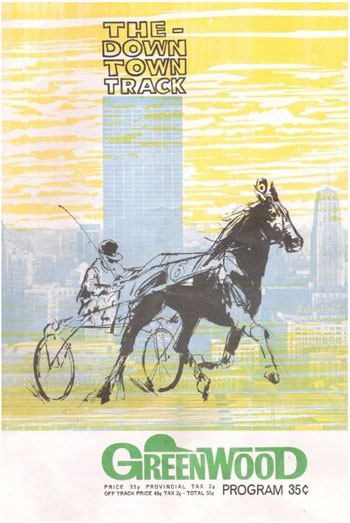
Greenwood program
I recently unearthed an old Greenwood program dated January 27, 1969. The only reason I chose this one was because it was close at hand. It was a nine-race card — seven for pacers and two for trotters. A total of 75 horses in all were listed. I went through it and listed all of the entries that had the same driver and trainer. The results were quite likely similar for other dates around that time.
List of drivers who are also listed as the trainer (bracketed numbers indicate multiple entries):
Clure Archdekin, Dewy Boyce, Don Brenner, Warren Brown, Wm. Carroll, Don Cox, Ross Curran (3), Alfred Engel, Ivan Farr, Ronnie Feagan (5), Russ Furness, Reg Gassien, Sonny Geisel, Jack Gordon, Guy Gilmour (2), Ferenc Gilian (2), Russ Gudmann, Retta Herrington, Carman Hie, Omar Knight, Bill Lambertus (2), Martin Marion, Sherman Moore, Doug Palmer, Stan Henderson, Fred Hill (2), Jerry Hughes, Dick Johnston, Jim Muttart (2), Tom Nash, John Stark (2), Wm. Troy (2), Joe Truckle, Keith Waples (3), Ken Webb, Wm. Wellwood (3).
A short analysis of the results of my search was that, of the 75 horses entered, 54 of them were trained and driven by the same individual. That is a percentage of approximately 72 per cent.
As a modern-day comparison, I looked over the race card at Woodbine Mohawk Park for a very recent evening of racing on Saturday, April 11, 2026. There were a grand total of 114 horses entered in 12 races. After a couple of close visual scans of the night’s participants — both trainers and drivers — I was able to come up with just one trainer-driver who was only listed as both. That honour went to the third-place finisher in the seventh race, Karl Tomas. He piloted Dead Mans Chain to a third-place finish for owners Karmel Stable of Guelph, Ont. I recall watching a then very young Karl many years ago driving at Leamington Raceway near his Kingsville, Ont., home.
P.S. - Trainer Paul Davies had two horses entered, drove one and used a catch driver for the other.
Just as a second comparison, I also looked over the results of a recent card at London’s Western Fair. On the evening of April 10, 75 horses went postward. The results showed a slightly higher total of five entrants who combined both duties. Mike Horner had two entered, while Rob Doyle, Lorne House and David Kelly each had one. According to my trusty calculator, that is about 6.7 per cent — still quite a far cry from yesteryear.
Back when most drivers also trained the horses they drove, a great driver from days gone by, Jimmy Cruise, had quite a single-night performance on the evening of July 12, 1958, at Roosevelt Raceway.
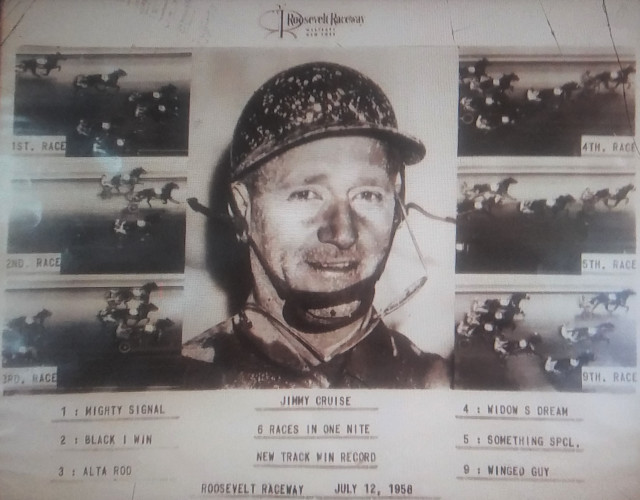
Shown above is a collage showing Cruise’s six winning efforts described below. In 1958, he made history at Roosevelt Raceway when he won six races on one card. Racing over a muddy oval, he achieved this feat without a single favourite among his wins. I believe all of his winners were from his own stable, which meant that he also trained them.
Quote For The Week — Wife: “What did you and your favorite golfing partner talk about when he had you in the dental chair today—a birdie or an eagle?”
Husband: “No, a hole in one.”
Who Is It?
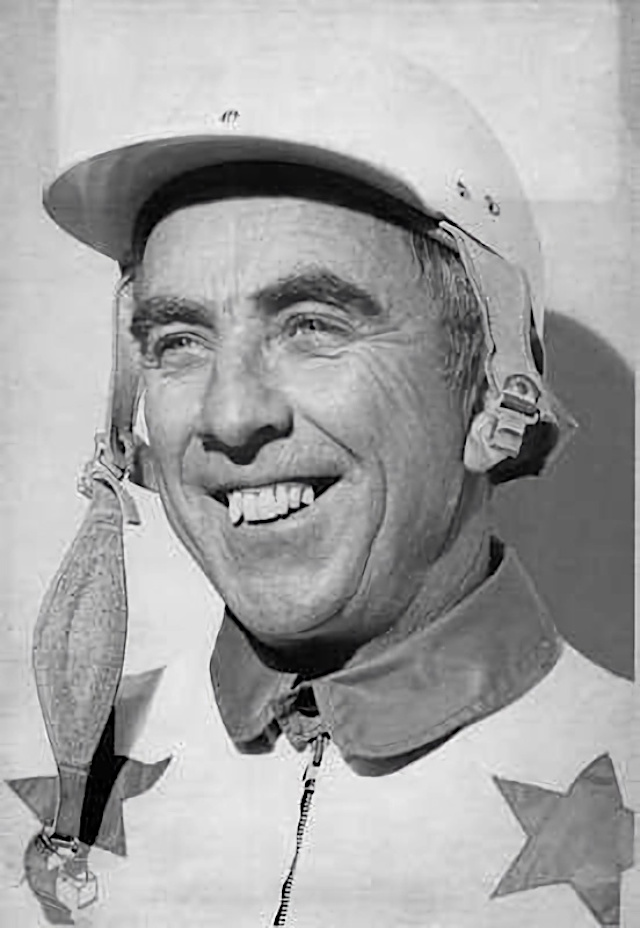
Can you identify this fellow who is mentioned elsewhere as well?
Who Else Is It?
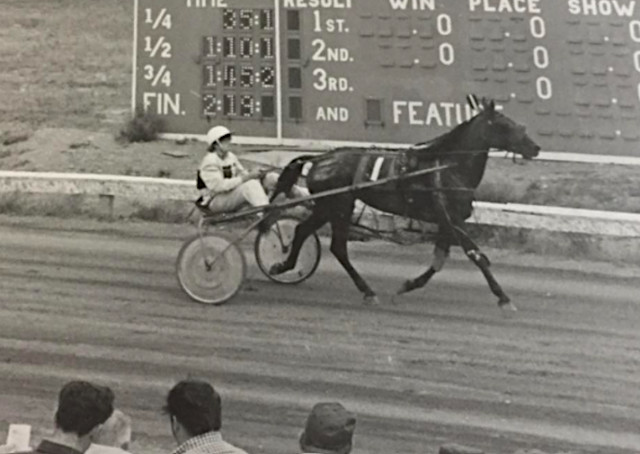
Can you correctly identify this gentleman as he wins his first lifetime race? This milestone was reached at the Inverness, N.S., track in 1975. He’s still winning races some 51 years later, still training and driving.
Bonus Question
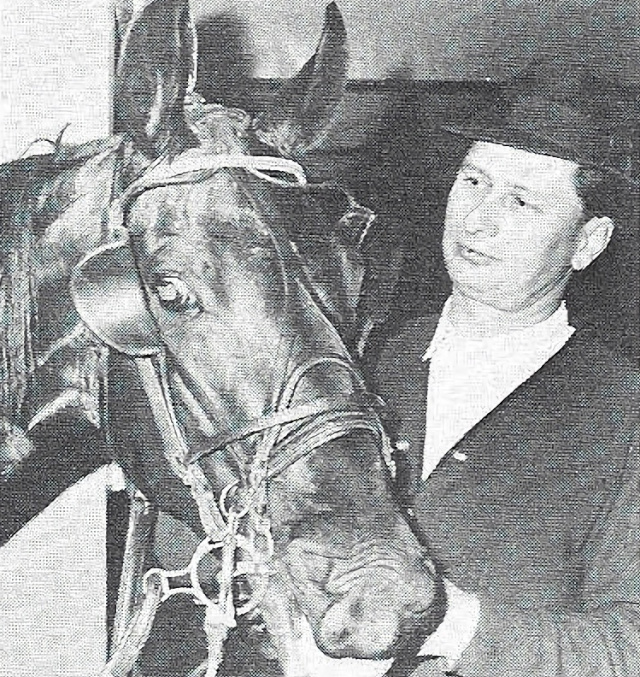
Can you identify this gentleman? He was among the earlier trainers who turned his emphasis to training only and employing catch drivers for all of his small but quality stable. He used a few; if one or two had other drives, he usually had a “go-to.” In his younger days, he did quite a bit of driving.
(The correct answers will be posted here by Robert as a comment in a few days.)
This week's picture answers
Our experts were accurate again this week, just not too many of them . The correct answers are listed below:
In the who is it? photo was Jim Muttart. Born in Summerside P.E.I. he started his career there before moving to Ontario in the mid 60's.
In the who else is it? photo was Donnie Rankin Jr. in a "keepers" photo as he recorded his first ever win as a driver. Yes and he's still at it!
In the Bonus photo was Londoner Wm. "Bill" James. I was fortunate to have a number of chats with him way back when and remember them well.
Who is it? Jim Muttart Who…
Who is it? Jim Muttart
Who else is it? Driving suit has changed over the years but I believe this is a “young” Donnie Rankin Jr., possibly driving Shawfield Liana and the “ mature” Mr. Rankin is still doing a excellent job both training and driving.
Bonus Question possibly William Wellwood?
Who is it Jim Muttart Bonus…
Who is it Jim Muttart Bonus Question Bill James